
Remember these small tips which can make a BIG difference to how your move goes on the day and help you feel more organised in the run up. From box tricks to organiser hacks, your home move will become a breeze…

Are you thinking of becoming a landlord or just want a practical checklist when viewing potential properties? Here are our thirteen buy-to-let top tips…

Skip the jargon and understand what your home report means before you proceed with a sale – it will give you peace of mind and a little bit of extra understanding for your new home…
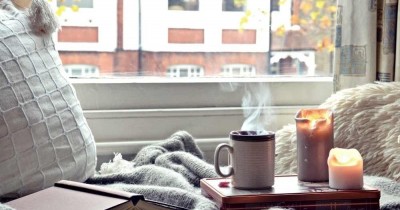
If you’re hoping for a calm and relaxing month, especially with the kids at home, then having a cosy place to unwind in is essential.

It doesn’t matter if you’re planning on selling your home in the coming months or looking to stay put for years to come, there are plenty of projects you can do this year to bring your home to its full potential.

Should you use a mortgage adviser or just try to find the best mortgage by yourself? Many buyers find themselves asking this question. Here we explore seven key ways that the right mortgage adviser can help you with the process of finding the best possible mortgage for your circumstances.

Oh the weather outside is frightful… As the temperature drops, NOW is the time to think about how best to prepare your property for the colder months ahead.
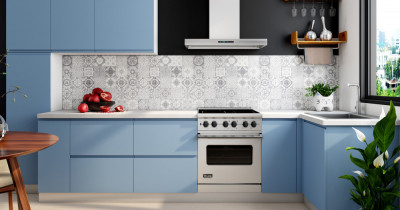
The colours you choose for your home décor can actually reveal quite a lot about your personality. Everyone wants to create the perfect home, and often the way you decorate it is an extension of your attitude and feelings…
Buying a house is an exciting time, but it can often be a lengthy process. It’s good to know the main steps involved in purchasing a property before you begin, so you can manage your expectations and understand everything that’s involved.

If you’re looking to buy a property, you’re likely to have a number of thoughts running through your head but don’t worry as we’ve looked into the most common questions a potential homebuyer wants answered…
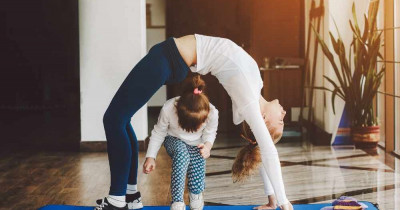
With gyms closed across the country, here’s how you can use your home to help you stay fit and healthy.
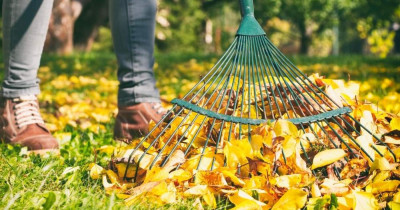
Autumn is one of the most beautiful times of the year – the temperature drops and the trees change colour, leaving you with a picture perfect view. Even though the weather is cold and you are unlikely to be sitting out in your garden during the autumn, it’s important to keep your outside space well maintained and looking as smart as possible.